from £590
Mediterranean Mosaic – From Piraeus to Istanbul (CC13)
7-day cruise on the Celestyal Journey to Greece - Egypt - Cyprus - Turkey

Exploration Across Three Continents – from Piraeus (CC15)
Set sail from Piraeus, Greece, on a remarkable 14-day cruise aboard Celestyal Journey. This memorable Eastern Mediterranean voyage connects three continents—Europe, Africa and Asia—combining ancient civilisations, island landscapes, historic cities and fascinating coastal destinations.
From the legendary monuments of Egypt and the archaeological treasures of Turkey to the sun-drenched Greek islands and the cultural heritage of Cyprus, this cruise offers an inspiring journey through the heart of the Mediterranean. With time at sea to relax between destinations and extended visits to Alexandria and Istanbul, you can enjoy a rewarding balance of discovery and leisure.
Celestyal Journey
Celestyal Journey is designed for relaxed Mediterranean cruising, with comfortable accommodation, inviting public spaces and a welcoming atmosphere. During your voyage, enjoy a choice of dining experiences, bars and lounges, entertainment, leisure facilities and opportunities to unwind while sailing between remarkable ports.
Piraeus, Greece
Your cruise begins and ends at Piraeus, the principal port of Athens and one of the most important maritime gateways in the Mediterranean. From the port, Athens is within easy reach, offering access to the Acropolis, the Parthenon, the Acropolis Museum and the lively districts of Plaka and Monastiraki. Piraeus itself is known for its waterfront promenades, traditional tavernas and busy harbour atmosphere.
At Sea
Days at sea provide time to enjoy the facilities of Celestyal Journey and take in the scenery of the Mediterranean. Relax by the pool, enjoy a leisurely meal, attend onboard entertainment or simply watch the changing horizons as the ship travels between Europe, Africa and Asia.
Alexandria, Egypt – Cairo and the Pyramids
Alexandria is Egypt’s gateway to some of the world’s most extraordinary ancient wonders. Excursions to Cairo and the Pyramids of Giza reveal the monumental legacy of the pharaohs, including the Great Pyramid and the Sphinx. Cairo also offers the Egyptian Museum, historic mosques and the vibrant atmosphere of one of the world’s great cities.
Closer to the port, Alexandria combines Mediterranean character with layers of Greek, Roman, Arab and modern Egyptian history. Highlights include the Bibliotheca Alexandrina, the Catacombs of Kom El Shoqafa, Pompey’s Pillar and the remains of the ancient city. The repeated call at Alexandria allows more flexibility for discovering both the city and the unforgettable attractions of Cairo.
Limassol, Cyprus
Limassol is a lively coastal city where Cypriot tradition meets a modern Mediterranean lifestyle. Explore the old town, Limassol Castle and the attractive marina, or stroll along the seafront promenade lined with cafés and restaurants.
The surrounding area offers opportunities to visit ancient sites, mountain villages and traditional wineries. Cyprus is also known for its beautiful beaches, clear waters and warm hospitality, making Limassol an appealing destination for both cultural sightseeing and seaside relaxation.
Rhodes, Greece
Rhodes is celebrated for its medieval Old Town, a UNESCO World Heritage Site surrounded by impressive walls. Walk along the Street of the Knights, visit the Palace of the Grand Master and discover atmospheric squares filled with shops, cafés and local restaurants.
Beyond the historic centre, Rhodes offers golden beaches, crystal-clear waters and scenic coastal landscapes. Popular places to visit include Lindos, with its hilltop Acropolis and traditional whitewashed houses, as well as the island’s quieter bays and picturesque villages.
Istanbul, Turkey
Straddling Europe and Asia, Istanbul is one of the world’s most captivating cities. Its extraordinary heritage includes the Hagia Sophia, the Blue Mosque, Topkapi Palace and the Grand Bazaar. The city’s historic peninsula brings together Byzantine and Ottoman landmarks within a remarkably compact area.
A cruise visit to Istanbul can also include a scenic Bosphorus experience, lively neighbourhoods, elegant waterfront palaces and local markets. Enjoy Turkish cuisine, traditional sweets and the vibrant atmosphere of a city where two continents meet. With Istanbul appearing twice on the route, there is valuable time to explore beyond the best-known landmarks.
Thessaloniki, Greece
Thessaloniki is Greece’s lively northern capital and a city shaped by Roman, Byzantine, Ottoman and modern influences. See the White Tower, stroll along the waterfront and explore the historic Ano Poli, known for its narrow streets and panoramic views.
The city is also renowned for its welcoming cafés, vibrant nightlife and excellent cuisine. Archaeological highlights include the Roman Forum, the Arch of Galerius and the Rotunda, while nearby excursions can reveal monasteries, traditional villages and the rich history of Macedonia.
Volos, Greece
Volos lies on the Pagasetic Gulf beneath the slopes of Mount Pelion. The city is known for its seafront promenade, lively atmosphere and traditional tsipouradika, where local seafood and small plates are served alongside regional drinks.
Volos is also a gateway to the beautiful Pelion peninsula, with its green mountain scenery, stone villages and beaches. Depending on your interests, explore the ancient site of Demetrias, visit picturesque villages such as Makrinitsa or enjoy the clear waters of the surrounding coastline.
Kusadasi, Turkey – Ancient Ephesus
Kusadasi is one of Turkey’s most popular Aegean ports and the main gateway to the ancient city of Ephesus. This remarkable archaeological site was once a major centre of the classical world and features the Library of Celsus, the Great Theatre, marble streets and the remains of important temples.
In Kusadasi itself, explore the waterfront promenade, browse local bazaars or relax at one of the nearby beaches. The town also offers easy access to the House of the Virgin Mary and other historic sites around the Aegean coast.
Heraklion, Crete
Heraklion offers an introduction to the history, cuisine and landscapes of Crete. The city’s Archaeological Museum houses an exceptional collection of Minoan treasures, while the Venetian harbour, Koules Fortress and lively central streets provide plenty to discover.
A highlight of the region is the ancient Palace of Knossos, one of the most important archaeological sites in the Aegean and the legendary centre of Minoan civilisation. Crete also invites you to enjoy local food, rugged scenery, traditional villages and beautiful beaches.
A Mediterranean Journey of Discovery
This 14-day cruise aboard Celestyal Journey brings together the highlights of the Eastern Mediterranean and beyond. Experience the ancient wonders of Egypt, the crossroads of Istanbul, the archaeological treasures of Ephesus, the history of Greece and the coastal beauty of Cyprus and Crete—all on one unforgettable voyage from Piraeus to Piraeus.
Expression of Interest:
 Port of Embarkation
 Port of Call
 Port of Disembarkation
 Embarkation and Disembarkation Port
7-day cruise on the Celestyal Journey to Greece - Egypt - Cyprus - Turkey
7-day cruise on the Celestyal Journey to Greece - Turkey
7-day cruise on the Celestyal Journey to Greece - Turkey
9-day cruise on the MSC Fantasia to Greece - Turkey - Italy
6-day cruise on the Celestyal Journey to Greece - Croatia - Montenegro
7-day cruise on the MSC Sinfonia to Greece - Turkey - Italy

Celestyal Journey is a stylish mid-sized cruise ship from Celestyal Cruises, designed for travellers who want to experience the destination as much as the ship. Following an extensive 2023 renovation, the ship combines a relaxed atmosphere with upgraded public areas, a wider choice of dining and an inviting selection of bars.
At 55,451 tonnes and 220 metres long, Celestyal Journey carries approximately 1,114 guests at standard occupancy, with space for up to 1,627 passengers. Its more intimate size is a major advantage for a Greek islands cruise or Mediterranean cruise, allowing guests to enjoy a friendly onboard environment while visiting scenic ports and destinations that may be less accessible to the largest cruise ships.
The ship suits couples, independent travellers and first-time cruisers looking for an easy-going way to explore Greece and the wider Mediterranean. With attentive service, varied dining and a choice of relaxing and social spaces, it offers a comfortable balance between discovery and downtime.
Cabins and suites on Celestyal Journey
Celestyal Journey offers 633 cabins in a range of categories, making it possible to choose accommodation according to your preferred view, space and budget. Options generally include interior cabins, ocean-view cabins, cabins with balconies and a selection of suites.
The ship has 149 private balconies, giving guests the opportunity to enjoy sea views and the changing scenery from their own outdoor space. Balcony accommodation is particularly appealing on an island-hopping itinerary, when the ship sails past Greek coastlines, small islands and picturesque ports.
For extra room and enhanced comfort, the accommodation range includes more than 28 suites and around 120 junior suites. The impressive Penthouse Suite provides a more spacious and indulgent setting for guests seeking a premium cruise experience. Cabin amenities and layouts vary by category, so it is worth checking the precise details before selecting your room.
On-board dining, restaurants and bars
Dining is one of the highlights of Celestyal Journey. Following the ship’s refurbishment, guests can choose from seven new restaurants, creating more variety throughout the cruise and making it easy to enjoy a different style of meal on different evenings.
The Chef’s Table offers a special dining experience for passengers who want to make their meal an occasion. Depending on the service and itinerary, guests can expect menus inspired by Mediterranean flavours alongside familiar international favourites, with a focus on enjoying the tastes of the destinations visited.
Casual meals and refreshments are also available in relaxed dining venues, while the ship’s buffet-style options are convenient for breakfast, lunch or an informal dinner. With eight bars onboard, there are plenty of places to meet for coffee, a pre-dinner drink or one of Celestyal’s signature cocktails. From laid-back daytime spaces to more sociable evening venues, the bar selection helps create a lively but unhurried cruise atmosphere.
Entertainment and activities
Celestyal Journey offers a varied programme for days at sea and relaxed evenings onboard. Guests can enjoy live entertainment, music and social activities, with the schedule designed to complement the ship’s destination-focused cruising style rather than overwhelm it.
During the day, passengers can spend time around the pool, relax on the sun decks or join organised activities. The ship’s public areas provide opportunities to meet fellow travellers, while the choice of bars and evening entertainment makes it easy to continue the evening after dinner.
Shore excursions are an important part of the Celestyal experience. Depending on the itinerary, guests can explore Greek islands, historic coastal towns, archaeological sites, local villages and celebrated Mediterranean landmarks. Booking selected excursions in advance can help secure a place on popular tours and make the most of limited time in port.
Wellness and relaxation
Celestyal Journey provides plenty of opportunities to slow down between port visits. The pool area and open-air sun decks are ideal for reading, enjoying the sea views or simply relaxing after a day of sightseeing.
Guests who want to maintain their routine during a cruise can make use of the ship’s fitness and wellness facilities, while spa services provide a way to add extra relaxation to the voyage. For a particularly peaceful experience, consider using the outdoor areas early in the morning, when the ship is sailing towards its next Mediterranean destination.
Tips for passengers on Celestyal Journey
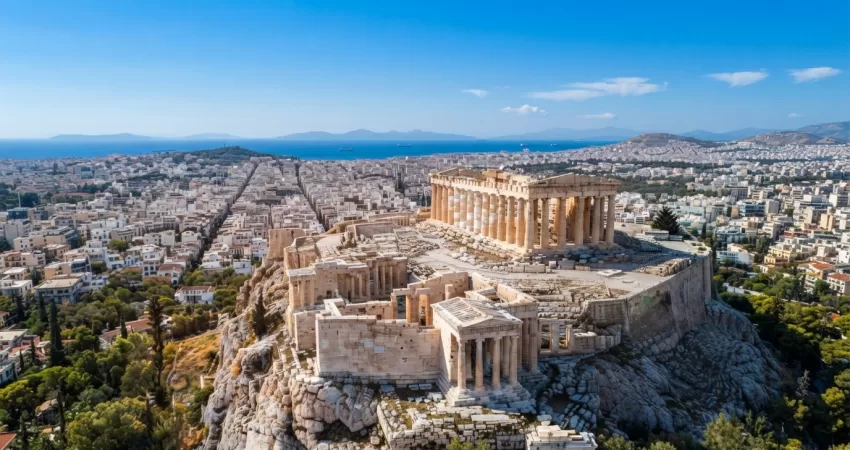
Athens is a city where ancient history, lively neighbourhoods and Mediterranean culture come together. As the birthplace of classical democracy and a major centre of ancient Greek civilisation, it offers cruise passengers the chance to see world-famous monuments, archaeological treasures and traditional streets during a single day in port.
Cruise ships dock at Piraeus, Greece’s principal passenger port and the historic maritime gateway to Athens. Piraeus has its own character, with busy waterfronts, fishing boats, tavernas and scenic harbours, while central Athens lies inland and is easily reached by public transport, taxi or organised shore excursion.
Whether you spend the day exploring the Acropolis, strolling through Plaka or enjoying seafood beside the water in Piraeus, Athens provides a memorable mix of ancient landmarks and modern Greek life.
Top attractions and sights
The Acropolis is Athens’ defining landmark and the essential sight for many cruise visitors. The hill is crowned by the Parthenon, while the Erechtheion, the Temple of Athena Nike and the Propylaea reveal the architectural ambition of classical Athens. From the summit, there are sweeping views across the city and towards the Saronic Gulf.
The Acropolis Museum is one of the city’s most important cultural attractions. Its galleries display sculptures and artefacts from the Acropolis, including the famous Caryatids, in a modern building with impressive views of the Parthenon.
Below the Acropolis, the historic neighbourhood of Plaka is ideal for a relaxed walk through narrow streets, neoclassical buildings, small shops and traditional cafés. Nearby Anafiotika has a distinctive island-style atmosphere, with whitewashed houses and quiet lanes beneath the Acropolis.
The Ancient Agora of Athens was once the political, commercial and social heart of the city. Its highlights include the remarkably preserved Temple of Hephaestus and the reconstructed Stoa of Attalos. The Roman Agora and the Arch of Hadrian are also within easy reach of the Acropolis area.
For a broader collection of Greek antiquities, visit the National Archaeological Museum, which houses masterpieces from the Mycenaean, Classical, Hellenistic and Roman periods. If you prefer to remain in Piraeus, the Piraeus Archaeological Museum presents important finds connected with the city’s ancient past and maritime history.
Back at the port, the waterfront areas of Mikrolimano and Pasalimani are popular for their harbourside restaurants and views of the sea. The hilltop district of Kastella offers attractive streets and elevated views over Piraeus and the Saronic Gulf.
Beaches
Piraeus has several seaside spots that can suit passengers who would rather enjoy the coast than travel into central Athens. Votsalakia Beach, near Kastella and the Mikrolimano area, is one of the better-known urban beaches close to the port. Freatida Beach, near the entrance to the Piraeus peninsula, is another local option with views across the water.
For a more extensive selection of organised beaches and seaside promenades, travellers can continue along the Athens Riviera towards Glyfada, Voula and other coastal suburbs. These areas require additional travel time, so they are best suited to passengers with a full day and a clear plan for returning to the ship.
Local products and shopping
Athens is a good place to shop for Greek food products, including extra virgin olive oil, honey, herbs, mountain tea, olives and regional cheeses. Packaged products are convenient souvenirs for cruise passengers, especially when luggage space and travel regulations are taken into account.
Traditional Greek crafts and gifts include handmade ceramics, leather sandals, woven textiles, olive-wood kitchenware and jewellery inspired by ancient Greek designs. Reproductions of classical sculptures, pottery and archaeological motifs are widely available around Plaka and the Monastiraki area.
Monastiraki is one of the city’s best-known shopping districts, combining souvenir shops, antique stalls, vintage goods and lively street scenes. Ermou Street offers mainstream shopping, while the Central Market area provides a more local atmosphere and a chance to browse Greek ingredients and delicatessen products.
Food and local cuisine
Athens is an excellent destination for trying classic Greek dishes. Look for moussaka, grilled souvlaki, gyros, spanakopita, stuffed vine leaves and Greek salad made with tomatoes, cucumber, olives and feta. Small meze restaurants are a good choice for sampling several dishes in one meal.
Seafood is particularly appealing around Piraeus, Mikrolimano and Pasalimani, where tavernas serve grilled fish, calamari, prawns and other dishes from the Aegean and Saronic Gulf. Local menus may also include octopus, fried small fish and seasonal vegetable dishes.
For a quick snack or dessert, try koulouri, a sesame-coated bread ring, or loukoumades, warm Greek doughnuts traditionally served with honey, syrup or cinnamon. Greek coffee and chilled frappé are popular drinks, while ouzo is commonly enjoyed with meze. Greek wine and regional spirits such as tsipouro are also worth discovering.
Tips for cruise passengers
From the cruise terminals in Piraeus, you can reach central Athens by metro, taxi, organised excursion or other local transport. The metro connects Piraeus with the city centre, although the best option depends on your terminal, mobility needs and the time available. Check the return route carefully before leaving the port.
Passengers visiting Athens for the first time should generally prioritise the Acropolis, the Acropolis Museum and the surrounding historic centre. Plaka, the Ancient Agora and Monastiraki can be combined with these sights, but it is wise to avoid an overambitious itinerary because queues, summer heat and city traffic may slow your day.
If you have already seen the Acropolis, consider spending your time in Piraeus at the Archaeological Museum, Kastella, Mikrolimano or Pasalimani. A waterfront lunch and a walk around the harbours offer a more relaxed way to experience the port city without travelling into central Athens.
Wear comfortable shoes, carry water and protect yourself from the sun, particularly when visiting exposed archaeological sites. Reserve popular attractions in advance when possible, allow plenty of time to return to the ship, and follow the cruise line’s recommended all-aboard time rather than relying on the last available public transport connection.
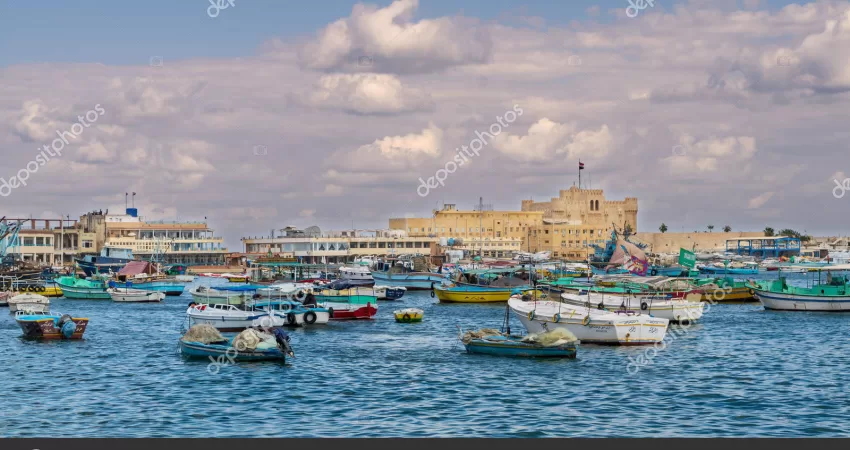
Alexandria is Egypt’s Mediterranean city, a destination shaped by Greek, Roman, Arab and modern Egyptian history. Founded by Alexander the Great in 331 BC, it became one of the ancient world’s greatest centres of learning and trade. Today, Alexandria combines a lively seafront, historic monuments, busy cafés and a distinctly Mediterranean atmosphere.
Cruise ships call at Alexandria Port, which lies close to the city centre and its main waterfront sights. The port is also a gateway to Cairo and the Giza pyramids, although the journey inland is long and requires careful planning. Passengers who prefer to stay local can enjoy Alexandria’s historic landmarks, seafood restaurants and Corniche views during a full day in port.
Top attractions and sights in Alexandria
A shore excursion to Cairo and the Giza pyramids is possible from Alexandria, but the overland journey takes substantial time. Organised excursions are usually the most practical option for cruise passengers, particularly when a ship has a fixed departure time.
Beaches near Alexandria
Alexandria has a long Mediterranean coastline and several beach areas. Montaza and Maamoura, east of the central waterfront, are popular seaside areas with sandy shores and a more resort-like atmosphere. Miami Beach is another well-known coastal district, although it can be busy, especially during the Egyptian summer. For a quieter experience, ask a local guide about the best currently accessible beach area, as facilities and access can vary seasonally.
Local products and shopping in Alexandria
Alexandria’s markets and shops offer a wide selection of Egyptian souvenirs. Look for colourful textiles, Egyptian cotton clothing, scarves, spices, traditional metalwork and handmade jewellery. Papyrus artwork is a popular purchase, but buyers should ask about its material and craftsmanship if they want a genuine papyrus product.
Other widely available Egyptian gifts include alabaster ornaments, wooden boxes, leather goods and small replicas of ancient Egyptian objects. The markets around the city centre and traditional shopping streets are useful for browsing, while specialist shops may offer better-quality crafts and more reliable descriptions of their products. Bargaining is common in many markets, but it is best done politely.
Food and local cuisine
Alexandria is particularly famous for seafood. Look for freshly prepared fish, prawns, calamari and other Mediterranean seafood, often served grilled or with rice, salads and local sauces. Alexandrian seafood casseroles and spiced seafood dishes are popular choices in local restaurants.
For drinks, try hibiscus tea, known locally as karkadeh, or Egyptian mint tea. Fresh juices are also widely available, while a traditional coffee or tea in a seafront café is a simple way to experience Alexandria’s relaxed café culture.
Tips for cruise passengers
Alexandria Port is close enough to the central city sights for a shore excursion by taxi, private guide or organised tour. Transport conditions can be busy, so allow extra time for traffic, security procedures and returning to the ship. Agree on the fare and destination before taking a taxi, or use a reputable tour operator arranged through the cruise line or a trusted local provider.
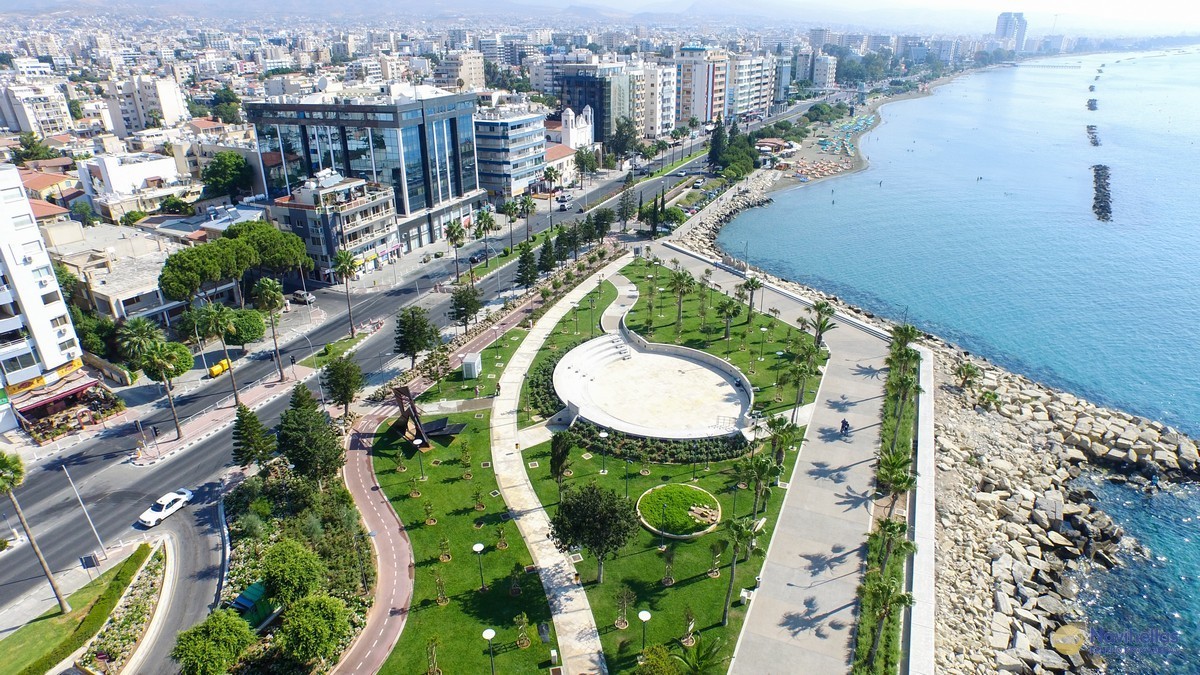
Limassol is Cyprus’s lively coastal city, known for its sunny waterfront, historic old town and welcoming Mediterranean atmosphere. The city combines centuries of Cypriot history with a modern marina, restaurants, cafés and a vibrant promenade, making it an appealing destination for a day in port.
Once an important medieval trading centre, Limassol grew around its castle and harbour before becoming one of Cyprus’s main commercial ports. Cruise ships arrive at Limassol New Port, west of the city centre, providing convenient access to the old town, seafront attractions and excursions into the surrounding countryside.
A shore visit to Limassol can include ancient ruins, Byzantine and medieval landmarks, sandy beaches and local food. The city is also a practical base for visiting celebrated archaeological sites such as Kourion and Kolossi Castle.
Top attractions and sights in Limassol
Limassol Old Town is the best place to begin exploring the city. Narrow streets lead around Limassol Castle, a medieval fortress that houses the Cyprus Medieval Museum. The castle is traditionally associated with the marriage of Richard the Lionheart to Berengaria of Navarre in 1191.
Near the castle, the old market area and surrounding streets offer traditional architecture, independent shops, cafés and restaurants. The Agia Napa Cathedral is another notable landmark in the historic centre, while the Limassol Municipal Arts Centre and nearby cultural venues add an artistic dimension to the city.
The Limassol Molos promenade stretches along the seafront with landscaped gardens, sculptures, cycle paths and places to sit beside the Mediterranean. Limassol Marina continues the waterfront experience with yachts, shops, cafés and restaurants, and is particularly attractive for a relaxed walk.
For history lovers, Kourion is one of the most rewarding excursions from Limassol. This ancient city-kingdom overlooks the coast and includes a Greco-Roman theatre, Roman villas with mosaics, an agora and early Christian remains. Kolossi Castle, a well-preserved medieval fortress surrounded by countryside, is another popular nearby sight.
Beaches near Limassol
Dasoudi Beach is one of the most convenient beaches for visitors staying in the city. It is backed by a eucalyptus park and offers a pleasant setting for swimming, sunbathing and a seaside walk along the Limassol coastal area.
Lady’s Mile Beach, west of the city and close to the salt lake area, is a long sandy shoreline with shallow water and a more open coastal setting. It can be a good choice for cruise passengers with enough time for a taxi or organised excursion.
Governor’s Beach, east of Limassol, is known for its pale cliffs, small coves and clear water. It is farther from the port than the city beaches, so it is best visited as part of a planned shore excursion rather than a quick independent stop.
Local products and shopping in Limassol
Cypriot food products make excellent souvenirs from Limassol. Look for halloumi cheese, extra-virgin olive oil, olives, carob syrup, honey, herbs and traditional sweets such as loukoumi. Local wines are also popular, especially bottles made with indigenous varieties including Commandaria, a historic sweet dessert wine.
Traditional crafts include handmade lace, woven textiles, pottery and silver jewellery. Cyprus is also known for its Lefkaritika lace and embroidered work, although these products are associated with the village of Lefkara and may be found in specialist shops rather than being made in Limassol itself.
The old town is useful for browsing small shops and gift stores, while Limassol Marina offers a more modern shopping atmosphere. For a memorable local purchase, choose a well-labelled Cypriot wine, a packet of carob products or a carefully packaged selection of regional sweets.
Food and local cuisine in Limassol
Traditional Cypriot cuisine is ideal for a leisurely meal during a port day. Try meze, a generous selection of small dishes that may include dips, salads, grilled meats, halloumi, olives and seasonal vegetables. Grilled souvlaki and sheftalia, a spiced minced-meat sausage, are also popular choices.
Vegetarian specialities include koupepia, vine leaves stuffed with rice and herbs, and kolokasi, a traditional taro root dish often cooked with tomato and other ingredients. Fresh fish and seafood are widely available in restaurants around the old town, waterfront and marina.
For something sweet, look for loukoumades, small honey-soaked doughnuts, or glyko tou koutaliou, fruit preserved in syrup and served by the spoonful. Commandaria is the signature Cypriot dessert wine, while a traditional coffee or a refreshing glass of zivania offers another taste of local culture.
Tips for cruise passengers
Limassol cruise ships dock at the New Port, which is separate from the historic centre. Cruise lines may provide a shuttle service, and taxis or organised excursions are commonly used to reach the old town, Limassol Marina and the main attractions. Confirm the return arrangements before leaving the port area.
For a short visit, combine Limassol Castle and the old town with a walk along Molos and a meal near the waterfront. Travellers who prefer ancient history can choose an excursion to Kourion and Kolossi Castle, while those seeking a slower day can focus on the marina, seaside promenade and Dasoudi Beach.
Wear comfortable shoes and bring sun protection, particularly when visiting exposed archaeological sites such as Kourion. Cyprus drives on the left, and traffic conditions can affect excursions, so allow plenty of time to return to Limassol cruise port before the ship’s departure.
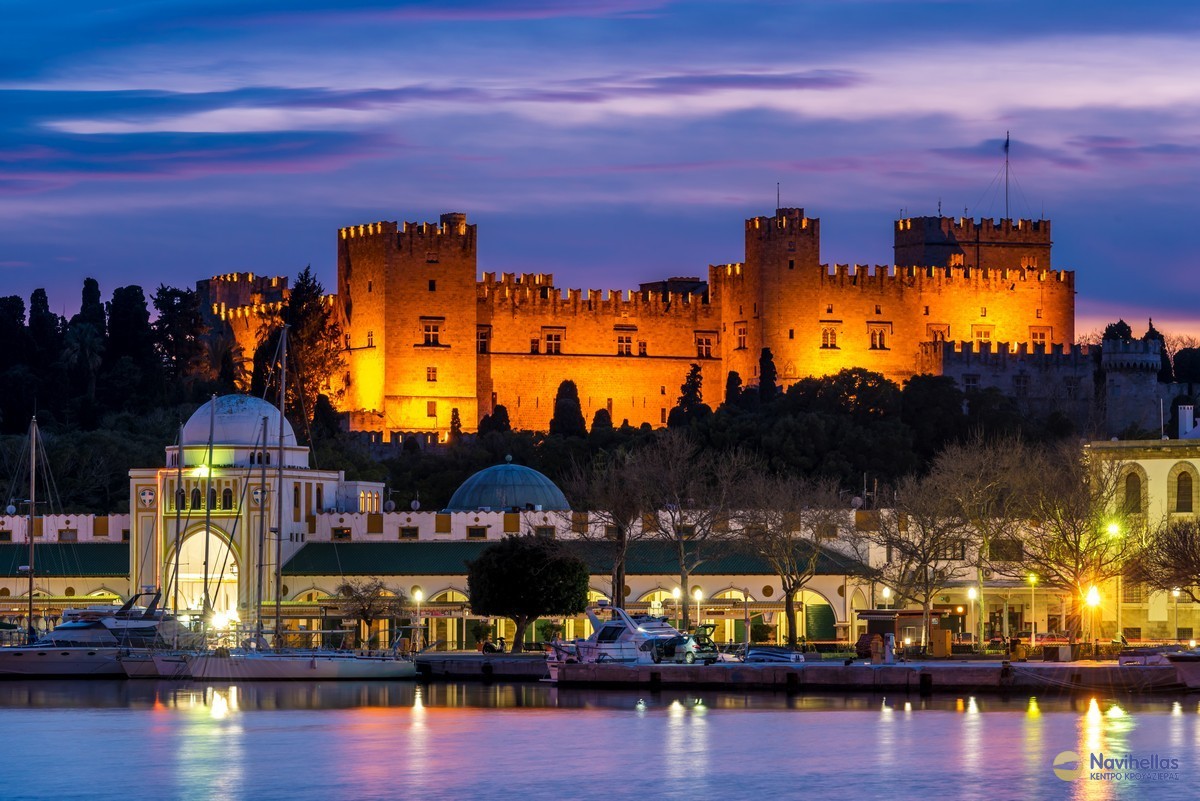
Rhodes is the largest of Greece’s Dodecanese islands, celebrated for its medieval Old Town, sunny coastline and layers of Greek, Roman, Byzantine and Knights Hospitaller history. The island’s main city combines lively waterfront streets with impressive fortifications, archaeological remains and traditional neighbourhoods.
cruise ships arrive at Rhodes Cruise Port, close to Rhodes Town and the UNESCO-listed Medieval City. The port is also the gateway to Lindos, a picturesque village on the east coast known for its whitewashed houses, ancient Acropolis and beautiful bays. A day in port can be spent exploring Rhodes Town, visiting Lindos, or combining historic sights with time beside the sea.
Top attractions and sights
The Medieval City of Rhodes is the island’s essential attraction. Enter through its monumental gates to discover the Street of the Knights, stone-paved lanes, historic mansions and the Palace of the Grand Master of the Knights of Rhodes. The Archaeological Museum of Rhodes, housed in the former Hospital of the Knights, displays artefacts from across the island.
Beaches
Rhodes offers many attractive beaches, although the most convenient choice depends on whether you stay near Rhodes Town or travel towards Lindos. Elli Beach, beside Rhodes Town, is easy to reach from the port and is well suited to passengers looking for a quick swim by the city.
Near Lindos, St Paul’s Bay is a striking sheltered cove beneath the Acropolis, while Lindos Beach offers calm, clear water close to the village. Anthony Quinn Bay, near Faliraki, is known for its rocky scenery and vivid water. Tsambika Beach, farther along the east coast, has golden sand and a broad setting, but visiting it requires more travel time and careful planning around your ship’s departure.
Local products and shopping
Rhodes is known for local food products, handmade crafts and souvenirs inspired by the island’s history. In the Old Town, shops around Sokratous Street and the surrounding lanes sell jewellery, leather goods, ceramics, woven textiles and decorative items with Greek designs.
Food and local cuisine
Rhodes combines classic Greek flavours with culinary traditions from the Dodecanese. Look for tavernas serving grilled seafood, fresh salads, local cheeses and dishes prepared with olive oil, herbs and seasonal vegetables. In Lindos, rooftop and terrace restaurants provide memorable settings for a meal with views towards the Acropolis or the sea.
Tips for cruise passengers
Rhodes Cruise Port is close to Rhodes Town, making the Medieval City and Mandraki Harbour convenient options for a day ashore. Depending on your berth, you may be able to reach the historic centre on foot, while taxis and local transport are useful for passengers carrying luggage or travelling in the heat.
Choose your main excursion before leaving the ship. Rhodes Town is the easiest option for independent exploration, while Lindos requires more travel and time but offers one of the island’s most memorable combinations of village scenery, ancient history and coastal views. Organised shore excursions, taxis and rental vehicles are commonly used for Lindos, but allow plenty of time for the return journey.
Wear comfortable shoes for the uneven stones of the Old Town and the climb to the Acropolis of Lindos. Carry water, sun protection and a hat, especially during the warmer months. Shops and restaurants in the most visited areas may become busy when several cruise ships are in port, so starting early helps you see the main sights at a more relaxed pace. Keep your ship’s all-aboard time in mind, and return to the port with a generous buffer if travelling beyond Rhodes Town.

Istanbul is Turkey’s largest city and one of the world’s most fascinating cruise destinations, stretching across Europe and Asia along the Bosphorus. Formerly known as Byzantium and Constantinople, the city has been shaped by Roman, Byzantine and Ottoman rule. Its extraordinary history, lively neighbourhoods, grand mosques, colourful bazaars and waterfront scenery make it an unforgettable port of call.
Most cruise ships arrive at Galataport Istanbul, a modern waterfront cruise terminal on the European side, close to Karaköy, the historic Galata district and the city centre. From the port, passengers can easily explore Istanbul’s major attractions, shop for Turkish souvenirs or enjoy views across the Bosphorus.
Top Attractions and Sights in Istanbul
Beaches Near Istanbul
Istanbul is not primarily a beach destination, and the areas around the cruise port are better suited to sightseeing, waterfront walks and Bosphorus views. For a seaside escape, the Princes’ Islands in the Sea of Marmara offer waterfront promenades, swimming areas and a quieter atmosphere, although visiting them requires additional travel and careful planning during a cruise day.
Local Products and Shopping
Istanbul is one of Turkey’s best places for shopping, from historic bazaars to modern boutiques and artisan stores. Popular products to look for include Turkish delight, aromatic spices, Turkish tea, coffee, dried fruit and regional sweets. Hand-painted ceramics, İznik-style tiles, colourful glass lamps, copperware and embroidered textiles also make distinctive souvenirs.
Travellers interested in traditional crafts can browse Turkish carpets and kilims, leather goods, jewellery and handmade soaps. For a convenient shopping experience near the port, explore Karaköy and the Galataport area, while the Grand Bazaar and Spice Bazaar provide a more historic market atmosphere. When buying carpets, jewellery or antiques, choose reputable sellers and check the regulations for taking valuable items out of Turkey.
Food and Local Cuisine
Istanbul’s cuisine combines Ottoman traditions with flavours from across Turkey. A day in port is an ideal opportunity to try kebabs, köfte, pide and lahmacun, as well as meze such as hummus, stuffed vine leaves and imam bayıldı.
Tips for Cruise Passengers
Galataport Istanbul is well placed for exploring the European side of the city. Karaköy and Galata are close to the terminal, while the historic attractions of Sultanahmet can be reached by public transport, taxi or an organised shore excursion. Depending on traffic and your schedule, walking between selected central districts can also be enjoyable.
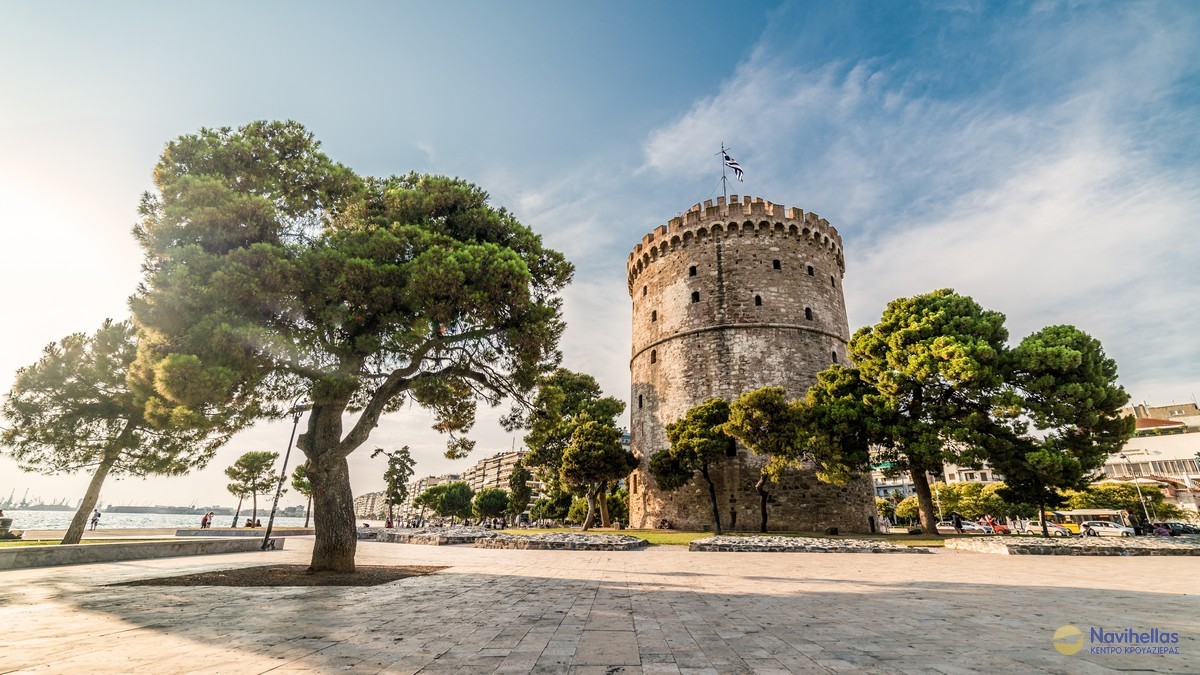
Thessaloniki is Greece’s lively second city, celebrated for its layered history, welcoming waterfront and rich food culture. Founded in 316 BC and named after Thessalonike, the wife of King Cassander of Macedon, it has been shaped by Greek, Roman, Byzantine, Ottoman and Jewish influences.
The Port of Thessaloniki is conveniently close to the historic centre, making this an excellent cruise destination for an independent day ashore. From the passenger terminal, visitors can walk towards the waterfront, Aristotelous Square, Ladadika and several of the city’s most important archaeological monuments.
With Roman ruins, Byzantine churches, bustling markets and cafés overlooking the Thermaic Gulf, Thessaloniki offers plenty to discover without travelling far from the port. A short excursion beyond the centre can also reach seaside resorts and beaches on the eastern shore of the gulf.
Top attractions and sights
The White Tower is Thessaloniki’s most recognisable landmark and a symbol of the city. Located beside the waterfront, this former Ottoman-era defensive tower contains an exhibition about Thessaloniki’s history and provides elevated views across the Thermaic Gulf.
Aristotelous Square is the city’s grand central meeting place, lined with elegant buildings, cafés and restaurants. It opens towards the sea and is ideal for a relaxed stroll, while the nearby waterfront promenade continues past public art and lively terraces.
Thessaloniki’s Roman and Byzantine heritage is especially visible around the city centre. Important sights include the Roman Forum, the Arch of Galerius and the Rotunda, an imposing monument that has served as a Roman temple, church and mosque. The Church of Saint Demetrius, dedicated to the city’s patron saint, is one of Thessaloniki’s most significant Byzantine churches.
The Museum of Byzantine Culture and the Archaeological Museum of Thessaloniki offer deeper insight into Macedonia’s ancient and medieval past. The Jewish Museum of Thessaloniki commemorates the city’s historic Sephardic Jewish community and its tragic wartime history.
For panoramic views, explore Ano Poli, or Upper Town, with its traditional houses, narrow lanes and surviving sections of the Byzantine and Ottoman walls. The Trigonion Tower is one of the best viewpoints, looking over the rooftops, the gulf and Mount Olympus on clear days. The atmospheric Ladadika district, near the port, is known for its restored buildings, tavernas and evening energy.
Beaches
Thessaloniki itself is primarily an urban waterfront destination rather than a beach resort, and the central seafront is not the best place for a traditional swimming beach. Cruise passengers seeking time by the sea can consider the eastern suburbs and nearby coastal resorts.
Perea, Neoi Epivates and Agia Triada are established seaside destinations on the Thermaic Gulf, with sandy or pebbly waterfronts, beach cafés and tavernas. They are best visited by taxi or organised excursion, allowing enough time to return to the ship. Conditions and travel times can vary with traffic, so beach trips require careful planning on a port day.
Local products and shopping
The markets around Kapani and Athonos Square are good places to browse Greek ingredients, spices, olives, cheeses, dried herbs and regional delicacies. Kapani Market is particularly atmospheric for visitors who want to experience everyday Thessaloniki rather than shop only in international stores.
Popular edible souvenirs include Greek honey, extra-virgin olive oil, Macedonian wines, tsipouro, herbs from northern Greece and traditional sweets. Bougatsa, the city’s famous pastry, is best enjoyed fresh, but packaged versions can also make a practical gift.
For a more distinctive souvenir, look for handmade leather goods, ceramics, jewellery inspired by Byzantine or Greek designs and locally made textiles. Shops around Tsimiski Street, Mitropoleos Street, the central markets and Ladadika provide a mixture of contemporary Greek brands, specialist food stores and traditional products.
Food and local cuisine
Thessaloniki is one of Greece’s best food cities, with culinary influences from Macedonia, Constantinople, the Balkans and the city’s historic Jewish community. A classic local breakfast or snack is bougatsa, flaky filo pastry filled with custard or cheese and often served with cinnamon and icing sugar.
Another Thessaloniki favourite is koulouri, a ring-shaped bread coated with sesame seeds and sold by street vendors and bakeries. For a savoury meal, try soutzoukakia, spiced meatballs served in tomato sauce, or enjoy grilled meats, meze and fresh seafood in a traditional taverna.
Local menus commonly feature Greek staples such as moussaka, stuffed vine leaves, gigantes beans, Greek salad and grilled octopus. The city’s cafés and pastry shops are also ideal for sampling trigona panoramatos, a syrupy filo pastry associated with the Thessaloniki area, along with Greek coffee, frappé or a glass of tsipouro.
Tips for cruise passengers
The Port of Thessaloniki is close to the city centre, and many major sights can be reached on foot from the passenger terminal. The waterfront, Aristotelous Square, Ladadika, the Roman Forum and the White Tower are convenient choices for a self-guided walking day.
Taxis are useful for reaching Ano Poli, the Trigonion Tower, museums farther from the waterfront or beaches outside the centre. Local buses serve the wider city, although traffic and unfamiliar routes can make taxis or an organised shore excursion more convenient when time is limited.
A practical itinerary can begin with a walk from the port through Ladadika and the central markets, continue to the Roman Forum, Rotunda and Arch of Galerius, and finish along the waterfront at the White Tower. Leave time for lunch, shopping and the return journey to the ship, and check the vessel’s all-aboard time before travelling to a beach or another destination outside central Thessaloniki.
Wear comfortable shoes, particularly if visiting Ano Poli or the archaeological sites, where streets can be uneven and sloping. During the warmer months, carry water and sun protection, and remember that some museums and churches may have different visiting arrangements on public holidays or religious feast days.
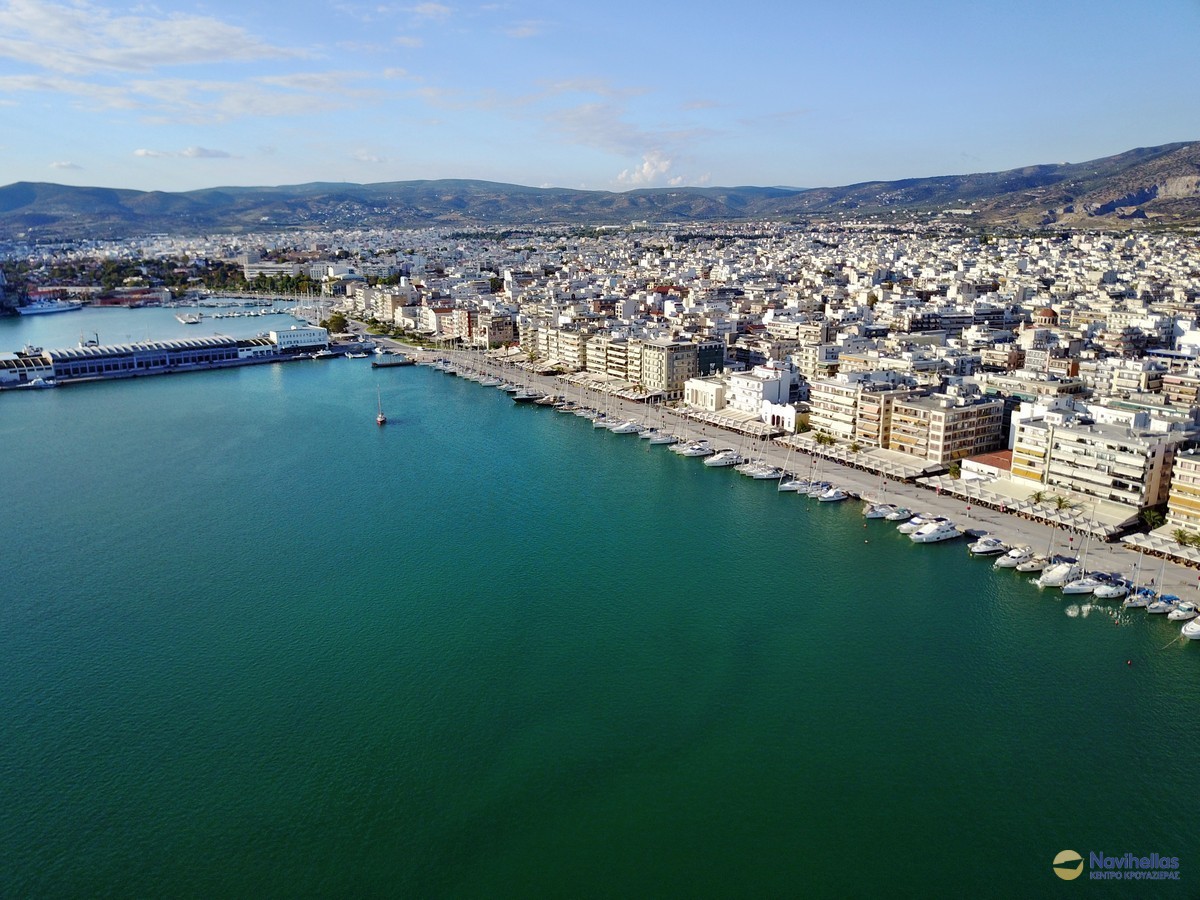
Volos is a lively port city on the Pagasetic Gulf, combining a busy waterfront with the mountain scenery of Pelion. Known in antiquity as ancient Iolcos, the legendary home of Jason and the Argonauts, Volos has long been connected with seafaring, trade and agriculture.
The city is an important gateway to Pelion, a green peninsula of traditional villages, stone bridges and forested slopes. Cruise passengers can explore Volos on foot, visit museums and churches in the centre, or enjoy the cafés, seafood restaurants and famous tsipouro tavernas along the harbour.
Volos cruise port is close to the city centre, making it convenient for a short visit. From the waterfront, travellers can easily reach the main shopping streets and cultural attractions, while organised excursions provide access to Pelion, nearby archaeological sites and beaches around the Pagasetic Gulf.
Top attractions and sights
The Volos waterfront is the natural starting point for a day ashore. The broad promenade is lined with cafés, restaurants and maritime views across the Pagasetic Gulf. It is especially enjoyable for a relaxed walk between sightseeing stops.
Beaches
Volos has several accessible seaside areas, although many cruise passengers choose to visit the beaches of the Pagasetic Gulf or combine swimming with a trip to Pelion. The Anavros waterfront area, close to the city, is convenient for a quick seaside break and is also home to outdoor sculptures.
Local products and shopping
Volos is a good place to shop for products from Thessaly and Pelion. The central pedestrian streets and the area around the waterfront have food shops, delicatessens and boutiques where visitors can find practical souvenirs and regional specialities.
Food and local cuisine
Volos is particularly famous for its tsipouro tradition. In the city’s tsipouradika, a small glass of tsipouro is served with changing plates of meze, often including seafood, grilled fish, octopus, mussels, prawns, salads and small savoury dishes. The experience is as much about the sequence of shared plates as it is about the drink.
Tips for cruise passengers
Volos cruise port is conveniently positioned near the urban centre, and many visitors can reach the waterfront cafés, shopping streets and central sights on foot. Taxis are useful for the Archaeological Museum, Tsalapata Brickworks Museum or excursions beyond the centre, while local buses serve parts of the city and surrounding area.

Kusadasi is a lively Aegean port city known for its turquoise coast, sunny promenades and easy access to some of Turkey’s most remarkable ancient sites. Its name means “Bird Island,” a reference to the small island beside the harbour, while the wider region combines seaside resorts, fertile countryside and a rich history shaped by Greek, Roman, Byzantine and Ottoman civilizations.
The cruise port is close to the centre of Kusadasi, making it convenient to explore the waterfront, shops and historic streets during a day in port. Kusadasi is also the principal gateway to ancient Ephesus, one of the best-preserved classical cities in the eastern Mediterranean and a highlight of many shore excursions.
Whether you spend your day exploring archaeological treasures, relaxing on a sandy beach or sampling Aegean cuisine, Kusadasi offers a varied introduction to western Turkey.
Top attractions and sights
Ancient Ephesus is the region’s essential attraction. The archaeological site includes the spectacular Library of Celsus, the Great Theatre, Curetes Street, the Temple of Hadrian and the Terrace Houses, which reveal how wealthy Roman families lived. Allow plenty of time for walking, as the site is extensive and exposed to the sun.
The House of the Virgin Mary, set in the hills above Ephesus, is an important pilgrimage site traditionally associated with the final years of Mary’s life. Nearby Selcuk is home to the Basilica of Saint John, built over the reputed tomb of the apostle, and the impressive remains of the Temple of Artemis, one of the Seven Wonders of the Ancient World.
Within Kusadasi, Pigeon Island is crowned by a historic castle and connected to the mainland by a causeway. The waterfront promenade is ideal for a relaxed stroll, while the town centre and Grand Bazaar offer a lively atmosphere filled with jewellery shops, leather stores, carpet dealers and cafés.
Beaches
Ladies Beach is the best-known beach close to Kusadasi and has a broad sandy shoreline, clear water, cafés and waterside restaurants. It is a popular choice for cruise passengers looking for a convenient swim and a relaxed seaside setting.
Long Beach stretches along the southern coast and offers a longer shoreline with beach clubs, hotels and restaurants. It is farther from the cruise port than Ladies Beach, so allow time for transport and your return journey. Pigeon Island also has small swimming areas, although it is better suited to combining a short dip with sightseeing and views across the harbour.
Local products and shopping
Kusadasi is a good place to shop for Turkish carpets and kilims, including traditionally patterned pieces made in western Anatolia. Reputable stores can explain the origin, materials and weaving techniques, while smaller decorative textiles make practical souvenirs.
Other popular purchases include Turkish leather goods, hand-painted ceramics, copperware, jewellery and evil-eye charms known as nazar boncuğu. Regional food products are also worth seeking out, especially dried figs, olives, olive oil, herbs, spices, Turkish delight and local honey.
The Grand Bazaar near the port is convenient for browsing, although bargaining is common in many independent shops. Compare quality and prices before buying, particularly for carpets, jewellery and leather.
Food and local cuisine
Kusadasi’s cuisine reflects the Aegean coast, with an emphasis on olive oil, fresh vegetables, herbs and seafood. Look for meze such as stuffed vine leaves, grilled aubergine, bean salads and yoghurt-based appetisers, followed by grilled sea bream, sea bass or prawns when available.
Gözleme, a thin flatbread filled with ingredients such as cheese, spinach or potato, makes a satisfying informal meal. Other Turkish favourites commonly found in Kusadasi include döner, köfte and pide, a boat-shaped baked flatbread topped with meat or cheese.
For a sweet finish, try baklava, lokum or sütlaç, a traditional rice pudding. Turkish tea and strong Turkish coffee are served throughout the town, while ayran, a lightly salted yoghurt drink, is refreshing on a warm day.
Tips for cruise passengers
The Kusadasi cruise terminal is close to the town centre, so passengers can usually reach the waterfront shops and harbour area on foot after leaving the ship. Taxis and organised shore excursions are widely used for Ephesus, the House of the Virgin Mary and Selcuk, which are inland and require more time than a visit to central Kusadasi.
For a first visit, consider choosing either an archaeological excursion to Ephesus or a town-and-beach day rather than trying to cover every attraction. Ephesus involves considerable walking over uneven surfaces, and summer conditions can be hot, so wear comfortable shoes, carry water and bring sun protection.
Leave generous time to return to the ship, especially when travelling independently to Ephesus or Long Beach. Confirm the meeting point and return arrangements with your driver or tour operator, and keep some time for the bazaar and waterfront before heading back to the port.
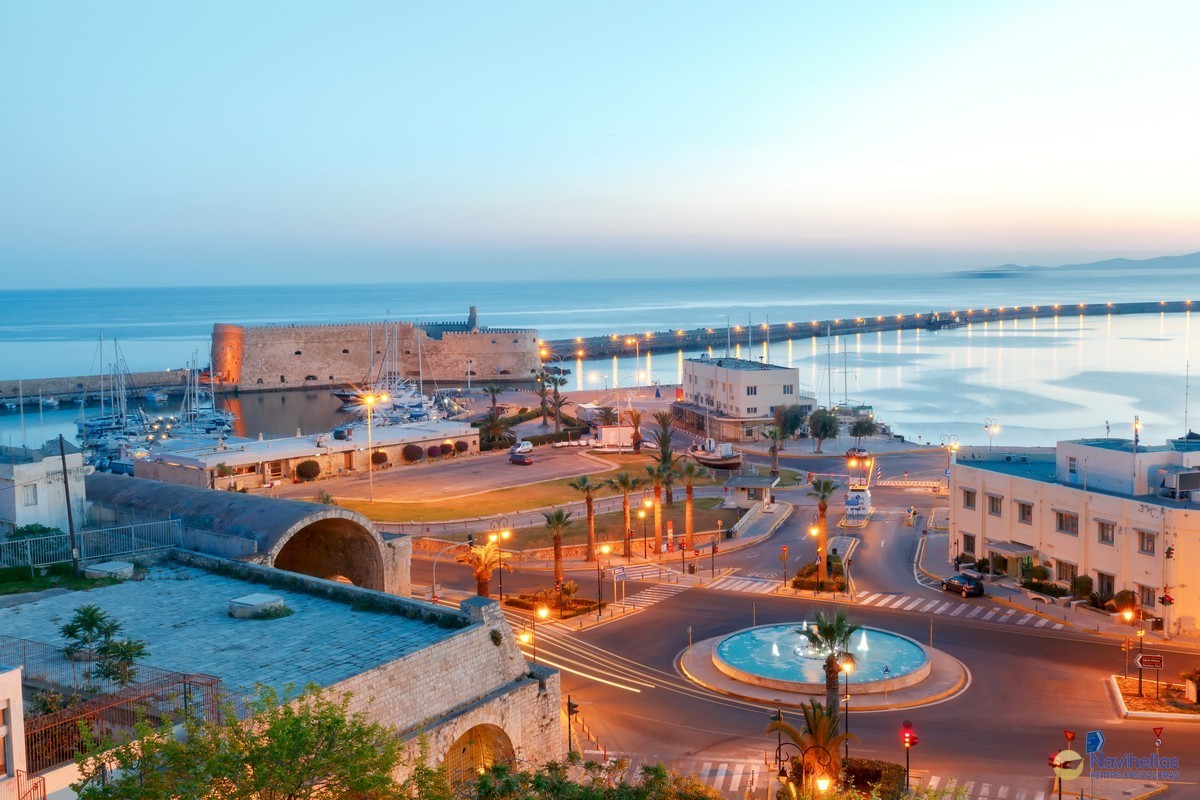
Heraklion is the lively capital of Crete and the island’s main gateway for cruise passengers. With roots stretching back to the Minoan civilization, the city combines ancient history, Venetian architecture, bustling markets and a distinctly Cretan atmosphere. Heraklion’s port is located close to the historic centre, making it possible to explore many of the main sights on foot during a day in port.
The city is best known as the gateway to the Palace of Knossos, one of the most important archaeological sites in Greece. Heraklion itself is also rich in history, with impressive Venetian fortifications, museums and atmospheric streets filled with cafés, tavernas and local shops.
Top attractions and sights in Heraklion
Palace of Knossos
The Palace of Knossos is Crete’s most famous archaeological site and the centre of the ancient Minoan civilization. Visitors can see ceremonial courtyards, storerooms, stairways and colourful reconstructions associated with the legendary palace of King Minos. Knossos lies outside central Heraklion, so allow plenty of time for transport and exploration.
Heraklion Archaeological Museum
The Heraklion Archaeological Museum houses one of the world’s finest collections of Minoan art and artefacts. Highlights include pottery, jewellery, frescoes and objects discovered at Knossos and other Cretan sites. It is an excellent choice for understanding the history of the island before or after visiting the palace.
Koules Fortress
Standing at the entrance to the old harbour, Koules Fortress is one of Heraklion’s most recognisable landmarks. Built by the Venetians, the massive stone fortress offers insight into the city’s maritime past and provides attractive views across the harbour and the Cretan Sea.
Venetian Loggia and the historic centre
The Venetian Loggia is an elegant Renaissance building in the heart of Heraklion and now houses the city’s town hall. Nearby streets lead to Lion Square, the Morosini Fountain and the Church of Saint Titus. The old centre is ideal for a relaxed walk through pedestrian lanes, small squares and traditional cafés.
Heraklion city walls
The substantial Venetian walls once protected the city and remain an impressive example of military architecture. Sections of the fortifications provide elevated views over Heraklion, while the Martinengo Bastion is associated with the tomb of the Cretan writer Nikos Kazantzakis.
Beaches near Heraklion
Heraklion is primarily a cultural and historical destination, but several beaches are accessible from the city. Ammoudara Beach stretches along the coast west of Heraklion and is one of the most convenient options for cruise visitors seeking time by the sea. It has a broad sandy shoreline and a selection of beach facilities.
Karteros Beach, east of the city, is another possible choice, with a long sandy coast near Heraklion Airport. Travel conditions and time in port should be considered before choosing a beach visit, particularly if you also plan to see Knossos or the city centre.
Local products and shopping in Heraklion
Crete is famous for its high-quality extra virgin olive oil, and local bottles make practical and authentic souvenirs. Other popular products include Cretan herbs, mountain tea, honey, olives, carob products and traditional sweets.
Look for handmade ceramics, leather goods, woven textiles and jewellery inspired by Minoan designs. The streets around the central market are good places to browse local food products and souvenirs, while small specialist shops often sell Cretan cheeses, rusks and packaged herbs suitable for travelling.
Food and local cuisine
Cretan cuisine is based on fresh vegetables, olive oil, herbs, grains, cheese and locally produced meat. Traditional dishes to try in Heraklion include dakos, a barley rusk topped with tomato, mizithra cheese and olive oil; kalitsounia, small pastries filled with soft cheese or herbs; and gamopilafo, a rich rice dish traditionally served at celebrations.
Other local specialities include choirino apaki, smoked pork flavoured with herbs, stamnagathi, a wild green often served with olive oil and lemon, and Cretan cheeses such as graviera and mizithra. For a light meal, order fresh seafood, Greek salad or grilled lamb at a traditional taverna.
Cretan wines are increasingly well known, particularly those made from local grape varieties such as Vidiano and Vilana. You may also encounter tsikoudia, a strong grape spirit traditionally offered after a meal, and desserts featuring honey, nuts and filo pastry.
Tips for cruise passengers
The cruise port is close to central Heraklion, and many historic sights can be reached on foot after leaving the ship. Follow the waterfront towards Koules Fortress, then continue into the old town for the Venetian Loggia, Lion Square, the Morosini Fountain and the Archaeological Museum.
Knossos requires transport from the port area. Taxis, organised shore excursions and local buses can provide access, but plan carefully if you want to combine Knossos with the city centre. An organised excursion can be convenient for passengers who want transport and sightseeing arranged around the ship’s schedule.
For a successful day in Heraklion, begin with your highest-priority attraction, especially Knossos or the Archaeological Museum, and leave time for a walk through the historic centre. Wear comfortable shoes, carry water during the warmer months and allow extra time to return to the port. A short final stop at a taverna or local shop is a pleasant way to experience Cretan culture before reboarding.